Solo Founder vs Co-Founder: Which Is Better in 2025?
Dec 26, 2025
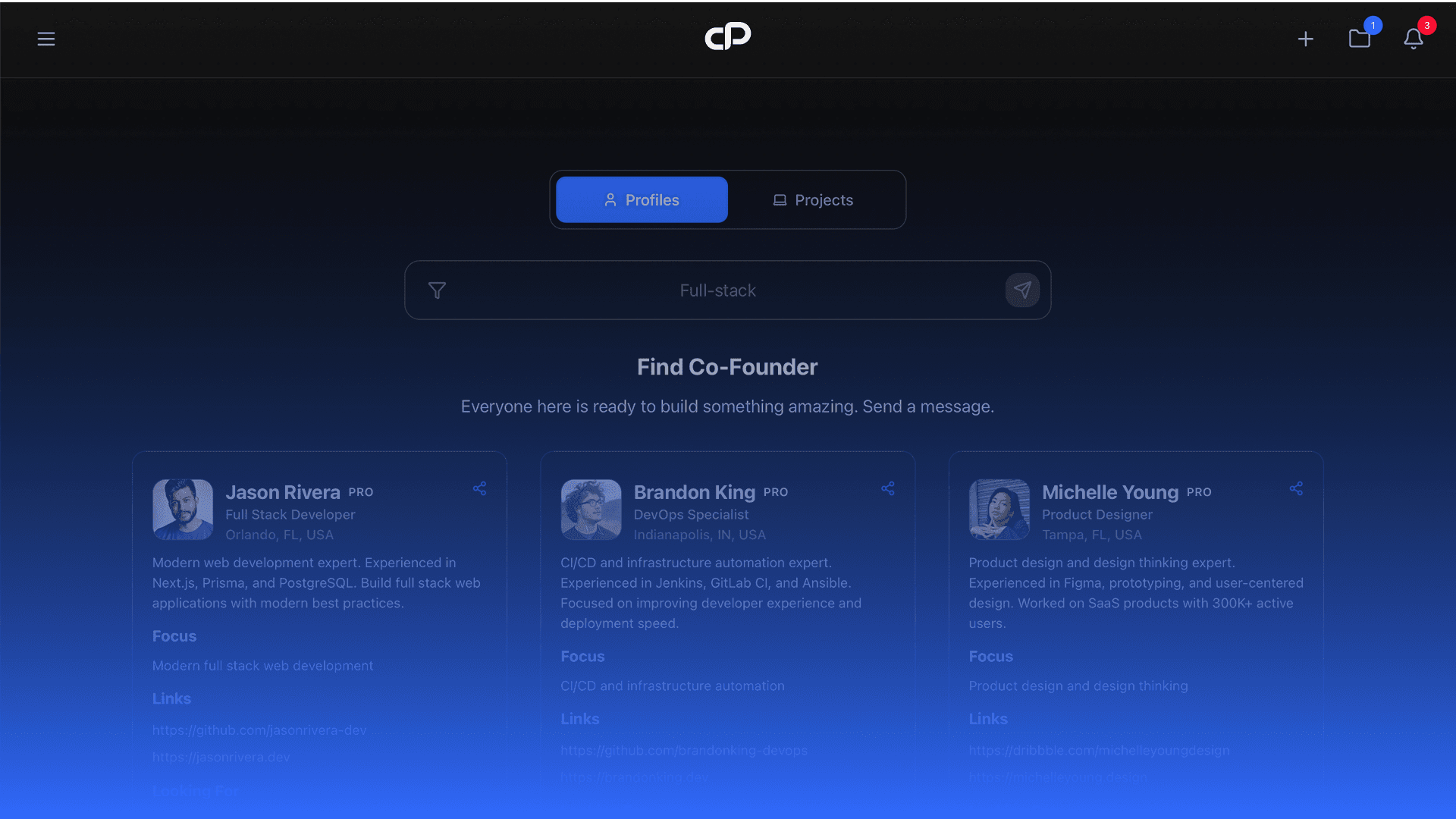
Solo Founder vs Co-Founder: Which Is Better in 2025?
One of the first decisions every founder faces is simple but risky:
Should I build alone, or should I find a co-founder?
In 2025, both paths are more viable than ever.
But they come with very different trade-offs.
Let’s break it down.
What is a solo founder?
A solo founder builds a startup alone, without a co-founder.
They may work with freelancers, early employees, or collaborators — but no equal partner.
Being a solo founder means:
Full control
Full responsibility
Full risk
Pros of being a solo founder
Clear decision-making
You don’t need consensus. You move fast and trust your own judgment.
No equity split
You keep 100% ownership of the company.
Strong vision alignment
There’s no conflict about direction, priorities, or long-term goals.
In 2025, tools like AI, no-code, and global talent make solo building easier than before.
Cons of being a solo founder
Loneliness
Building alone is mentally exhausting. There’s no one to share pressure with.
Skill gaps
Most founders aren’t great at everything. Product, tech, sales, and design rarely live in one person.
Slower execution
Even with AI, one person can only do so much.
Investors still notice this. Many early-stage investors prefer teams over solo founders.
What is a co-founder?
A co-founder is a long-term partner who shares:
Ownership
Risk
Decision-making
Responsibility
In the best cases, co-founders complement each other perfectly.
Pros of having a co-founder
Complementary skills
One builds, one sells. One designs, one scales. This balance matters.
Emotional resilience
Bad days are easier when you’re not alone.
Faster progress
Two committed founders can move much faster than one.
Many successful startups started with two or more co-founders for this reason.
Cons of having a co-founder
Conflict risk
Misalignment on vision, effort, or equity can destroy a startup.
Slower decisions
More voices mean more discussion.
Wrong co-founder is worse than no co-founder
This is the biggest risk. A bad partnership can kill momentum completely.
So which is better in 2025?
The real answer:
It depends on you and what you’re building.
Being a solo founder makes sense if:
You have strong execution skills
You want full control
You’re building something small or early-stage
Having a co-founder makes sense if:
You lack key skills
You want to move faster
You’re building something ambitious
You value shared ownership and accountability
There is no universal rule.
A smarter approach: start solo, then build together
In 2025, many founders choose a hybrid path:
Start solo
Build a small project
Collaborate with others
Turn the best collaborator into a co-founder
This reduces risk and increases alignment.
Instead of committing too early, you test the partnership by building.
How CoParty helps founders choose the right path
CoParty is designed for this exact problem.
You don’t need to decide “solo or co-founder” on day one.
On CoParty, you can:
Start a project
Build with others
Test collaboration
Turn the right collaborator into a co-founder
No pressure. No blind commitment.
Final thoughts
Being a solo founder isn’t wrong.
Having a co-founder isn’t mandatory.
The mistake is choosing without testing.
In 2025, the best founders don’t rush into partnerships.
They build together first — and let trust grow naturally.